

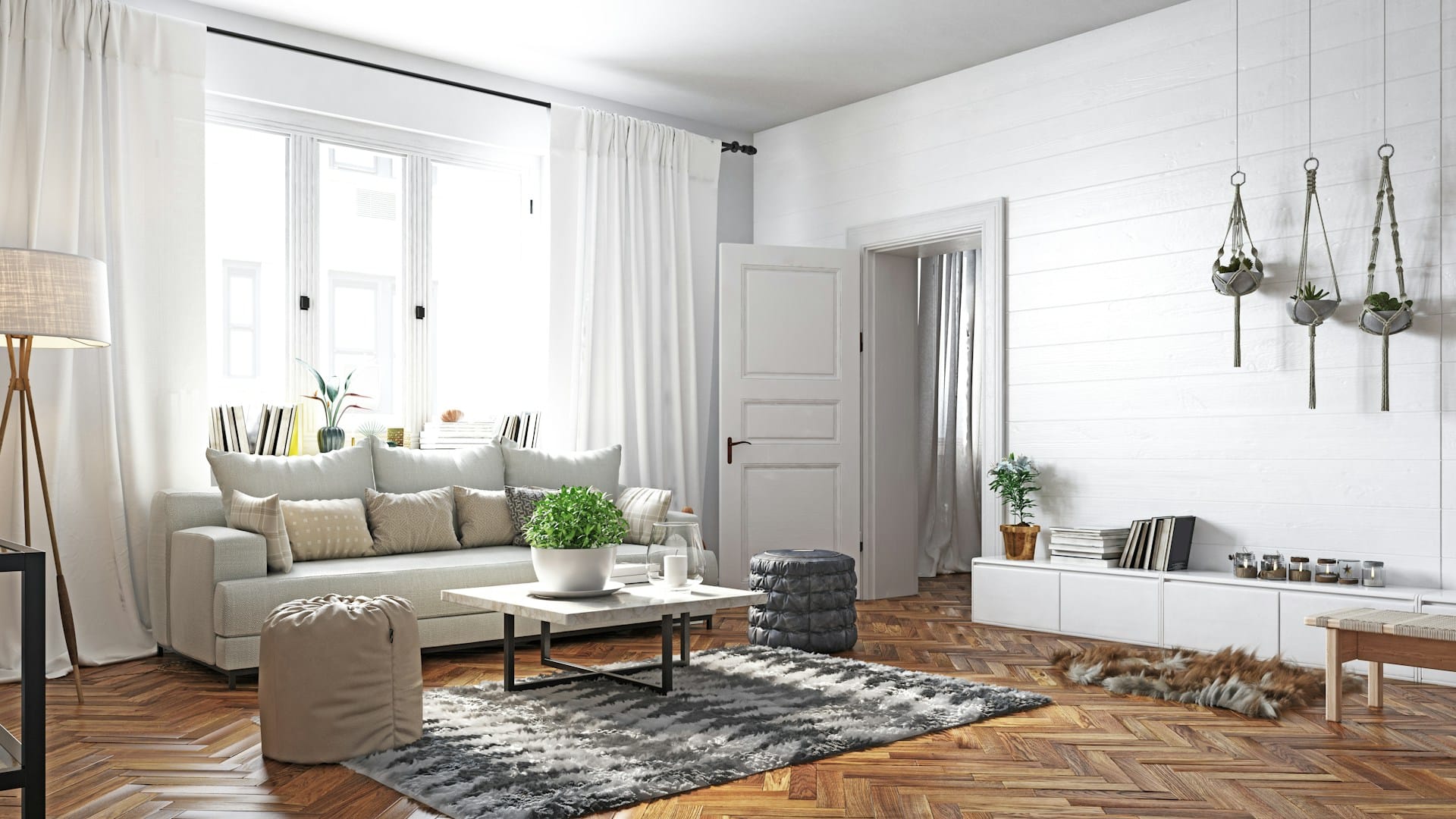
Parquet flooring continues to attract attention in 2026 as design trends move toward warmth, craftsmanship, and sustainable beauty. The modern home now centres on textures and tones that create depth underfoot while keeping a refined look. Parquet patterns remain a key choice for those who want a floor that feels timeless yet fits comfortably within today’s interiors.
This year highlights how traditional layout styles evolve through wider planks, darker tones, and eco-conscious materials. Designers also note growing interest in advanced engineered options and geometric effects that reshape how wood floors define a room. Each trend reflects a balance between natural character and modern practicality, offering new ways to rethink classic parquet style.
- Herringbone remains a dominant pattern, blending tradition with contemporary style
Herringbone flooring continues to be a leading choice for 2026 as homeowners value its timeless geometry and subtle visual movement. This pattern pairs rectangular blocks at right angles to create a balanced, zigzag effect that suits both period homes and modern designs. Many buyers still prefer solid parquet flooring as it offers durability along with the charm of real wood.
Designers often use herringbone layouts to bring order and texture to open spaces. The pattern works well with neutral tones, natural light, and minimalist furniture, offering a refined yet comfortable look. It also helps smaller rooms appear wider or longer, depending on how the planks are placed.
In 2026, new materials and finishes continue to refresh this classic style. Engineered formats make installation easier, while matte and brushed textures give a softer feel underfoot. These updates keep herringbone firmly rooted in tradition while fitting neatly into today’s sleek interiors.
- Wide plank parquet floors in dark hues create a bold, sophisticated look
Wide plank parquet floors give rooms a clean and balanced appearance. The larger boards add a sense of openness, as fewer seams make the space feel calm and uncluttered. Their simple geometry works well in both modern and traditional interiors.
Dark hues such as espresso, walnut, or charcoal add depth and warmth to a room. These tones create a strong visual base that draws attention without overpowering other features. They pair well with soft neutrals, natural textiles, and structured furniture for a polished effect.
In many contemporary homes, dark wide planks also reflect a shift toward natural and sustainable materials. Homeowners appreciate the subtle grain of engineered wood that mimics solid timber while offering more stability. The mix of darker tones and wide layouts continues to appeal to those seeking understated style with lasting value.
- Eco-friendly materials and sustainable wood species are gaining significant popularity
Consumers now place higher value on environmentally responsible choices, and parquet flooring reflects that shift. Many homeowners prefer timber that comes from forests managed for long-term renewal. This approach supports conservation and reduces waste.
Designers pay close attention to the source and treatment of the wood. Oak, ash, and walnut from certified forests remain popular because they balance beauty with sustainability. Bamboo, though technically a grass, also appeals for its rapid growth and natural strength.
New production methods reduce the use of synthetic finishes and adhesives. Manufacturers now use water-based coatings and natural oils that release fewer emissions. As a result, the finished floors maintain a healthier indoor environment without sacrificing appearance or durability.
Sustainability now influences both style and substance in parquet design. Buyers no longer see eco-friendly materials as an afterthought but as a central feature of modern interiors.
- Engineered wood parquet offers improved durability and moisture resistance
Engineered wood parquet uses a multi-layered structure that combines a real wood surface with a stable base made from compressed timber layers. This design reduces movement caused by temperature or humidity changes. It helps floors stay flat and maintain their shape for longer periods.
The top layer keeps the natural appearance of solid wood, while the layers underneath provide strength and resistance to moisture. As a result, this parquet fits well in rooms that may face humidity, such as kitchens or basements.
It also resists warping and shrinking better than traditional hardwood floors. Because of this, homeowners can enjoy the look of wood with fewer maintenance issues.
Modern manufacturing methods make installation simpler and improve surface durability. Therefore, engineered parquet works as a practical option for busy households that need both durability and style.
- 3D illusion patterns introduce modern visual interest to classic parquet
3D illusion parquet patterns create depth that draws the eye and adds dimension to any room. They use careful placement of wood tones and geometric shapes to produce a layered or raised effect. The result gives floors a contemporary look while keeping the warmth of natural wood.
This approach merges tradition with new design techniques. By using light and dark contrasts, these floors appear to shift as light moves across them. The effect creates an engaging focal point that complements both modern and classic interiors.
Designers see this pattern as a way to refresh familiar parquet styles such as herringbone or chevron. Subtle optical effects give older layouts a modern update without losing their character. As a result, 3D illusion parquet appeals to homeowners who want creative detail as well as timeless appeal.
Conclusion
Parquet flooring trends in 2026 highlight a clear move toward warmth, texture, and natural expression. Designers continue to value craftsmanship, using wood tones that create depth and visual interest across interiors. Classic patterns such as herringbone and chevron remain popular, yet new variations show fresh creativity.
Sustainability shapes many decisions. Homeowners prefer materials that come from responsibly sourced wood and finishes that use fewer chemicals. This approach gives floors both style and a lower environmental impact.
Technological progress also plays a part. Improved manufacturing now allows intricate parquet designs with easier installation and longer durability. These updates make parquet an appealing option for both traditional and modern spaces.
As design preferences evolve, flexibility and authenticity lead. Parquet floors in 2026 reflect a balance of beauty, practicality, and environmental awareness that continues to define interior design choices.