

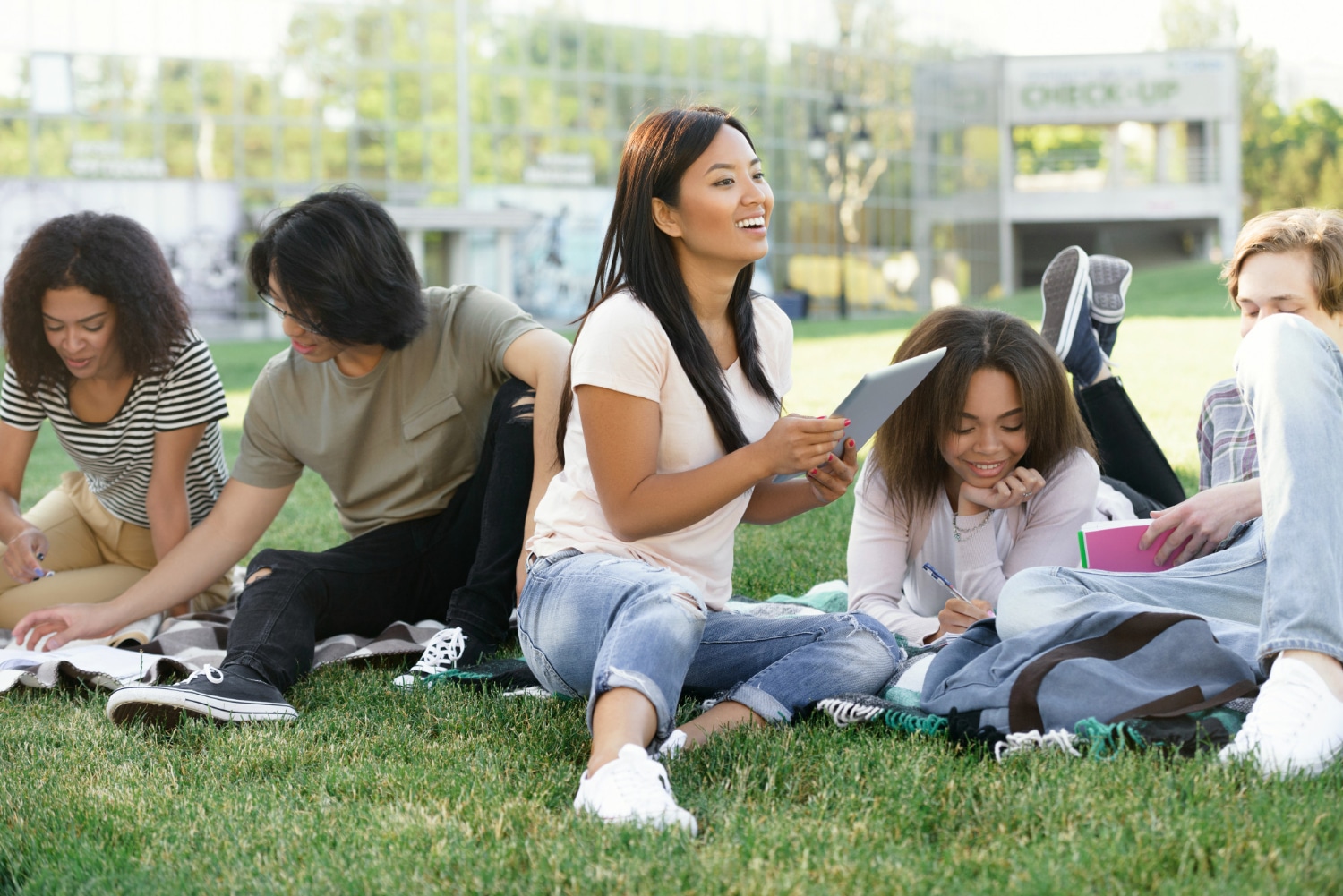
University life goes far beyond lectures and exams. It is where connections are formed, perspectives are challenged, and futures begin to take shape. Through student life and campus activities, students enter diverse communities that encourage collaboration, shared experiences, and meaningful relationships.
In a global academic environment, these connections are not optional. They are a decisive advantage. A strong international student experience helps students develop confidence, cultural awareness, and the ability to build professional relationships across borders.
The Role of Student Clubs in Global Networking
Student clubs are often the starting point for meaningful connections. These groups bring together students with similar interests, from business and technology to arts and social impact. By working closely on shared goals, students form bonds based on trust and collaboration. These relationships often extend beyond campus life and continue into professional careers.
Joining a club also helps students develop leadership and communication skills. Organizing events, managing teams, and solving problems together creates a strong sense of community. For international students, clubs provide a welcoming space to connect with peers from different backgrounds. This strengthens cultural awareness while expanding personal networks in a natural and supportive way.
Campus Events as Networking Opportunities

Campus events offer direct access to professionals, alums, and guest speakers from around the world. Career fairs, panel discussions, and workshops allow students to learn from real-world experiences while building valuable contacts. These events encourage conversation and exchange, often leading to internships, mentorships, or future job opportunities.
Events also help students practice professional communication in an informal setting. Asking questions, sharing ideas, and following up after meetings are skills that improve with experience. Over time, these interactions help students feel more confident navigating global professional environments.
International Campuses and Cross-Cultural Connections
International campuses play a key role in building a global network. Studying in multiple countries exposes students to different cultures, academic approaches, and professional expectations. This mobility encourages adaptability and open-minded thinking, both of which are essential in today’s global workforce.
By moving between campuses, students meet peers, faculty, and industry partners from various regions. These connections often become part of a long-term professional network that spans continents. Exposure to local business communities also helps students understand how global industries operate in different contexts.
Cultural Activities and Social Engagement

Cultural activities are an essential part of student life. International festivals, language exchanges, and social gatherings allow students to connect on a personal level. These moments help break down barriers and build genuine friendships that go beyond academic collaboration.
Such experiences enrich the international student experience by creating a sense of belonging. When students feel comfortable and included, they are more likely to engage actively and build stronger connections. These friendships often become valuable personal and professional relationships later in life.
Building Long-Term Professional Relationships
Student life also encourages collaboration on real-world projects. Group assignments, startup initiatives, and community projects bring students together to solve practical challenges. Working on diverse teams helps students learn to communicate clearly and to respect different perspectives.
These shared experiences often lead to long-lasting professional relationships. Many graduates rely on their university networks for career advice, partnerships, and opportunities. The connections built through campus activities continue to provide value long after graduation.
Conclusion: A Lasting Impact Beyond Graduation

Student life and campus activities are essential to building a global network. They help students develop skills, confidence, and connections that support long-term success. By fully engaging in clubs, events, and international campuses, students build a strong foundation for a global career.
The relationships formed during this time prove that university life has an impact that reaches far beyond the classroom, shaping opportunities for years to come.