

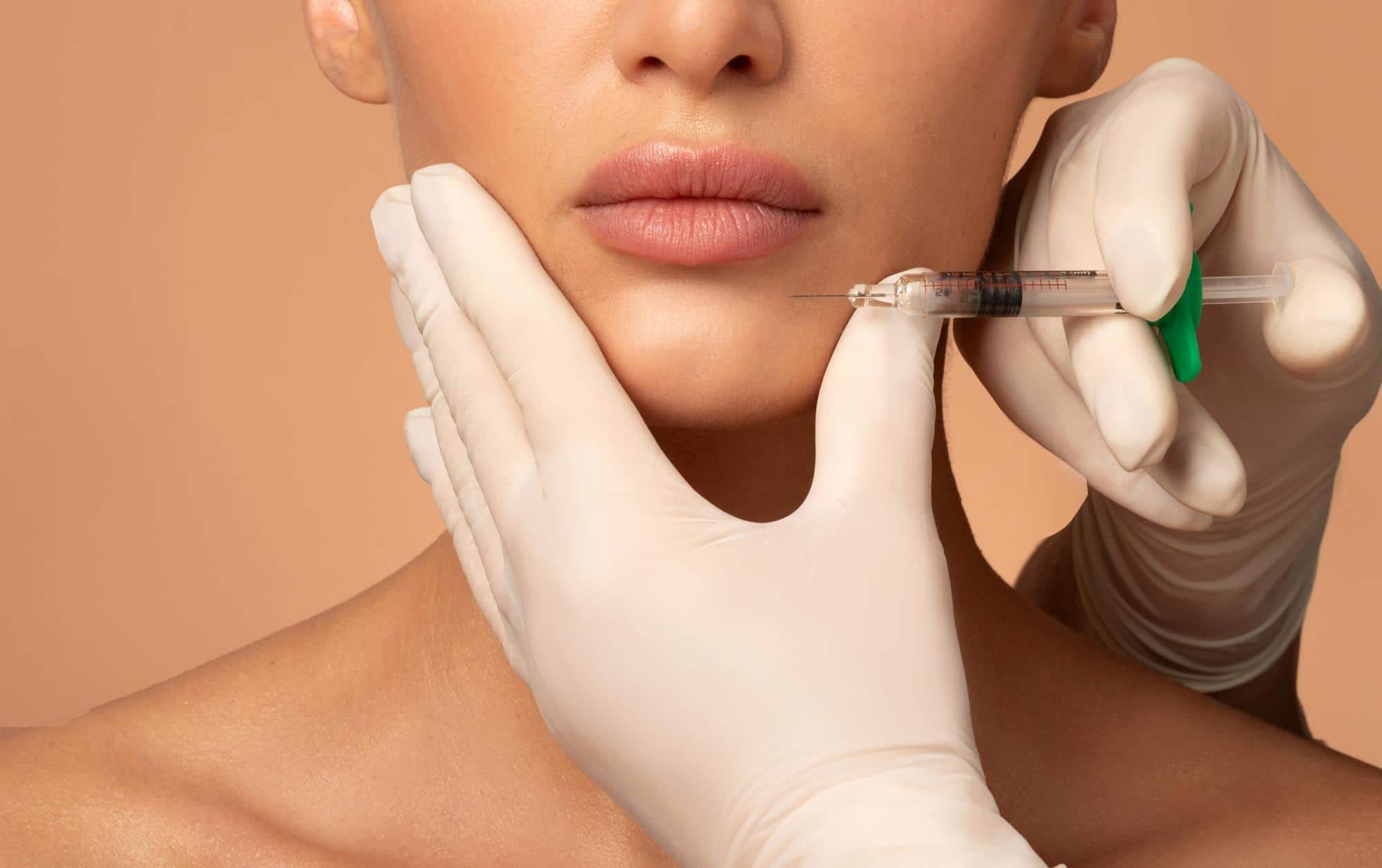
Aesthetic treatments have become remarkably accessible and normalised, with procedures once reserved for celebrities now routinely discussed, pursued, and shared on social media. This democratisation creates opportunities for people to address genuine concerns and improve confidence, but it also introduces risks as the boundary between medical procedures and beauty services blurs dangerously. The conversation around safe aesthetic choices has never been more important as non-medical providers offer invasive treatments, social media creates unrealistic expectations, and the commercial pressures of the aesthetic industry sometimes overwhelm patient safety considerations.
Understanding what constitutes a truly safe aesthetic choice requires looking beyond marketing promises and glossy before-and-after photos to examine practitioner qualifications, appropriate medical oversight, realistic expectations, and the genuine risks that even “minor” aesthetic procedures carry. The patients making the safest choices approach aesthetic treatments with the same scrutiny they’d apply to any medical intervention, rather than treating them as casual beauty services equivalent to manicures or facials.
The Qualification Question Everyone Should Ask
The single most important factor in determining the safety of aesthetic treatments is practitioner qualification, yet it’s a question many patients fail to ask thoroughly. The aesthetic industry’s regulatory gaps mean that treatments with genuine medical risks are sometimes performed by people with minimal training and no medical background.
In the UK, whilst prescription-only medications like Botox technically require medical oversight, enforcement proves inconsistent. Dermal fillers face even less regulation, with non-medical practitioners legally able to inject hyaluronic acid and other substances into faces with minimal training. This creates a disturbing situation where your Botox might be administered by a recently qualified nurse working beyond their competence level, or your filler injected by a beautician whose only training was a weekend course.
Safe aesthetic choices begin with thoroughly verifying practitioner credentials. For injectable treatments, seek practitioners who are medical professionals (doctors, dentists, or appropriately trained nurses) with specific aesthetic training beyond their general medical qualifications. Membership in professional bodies such as the British College of Aesthetic Medicine or the Joint Council for Cosmetic Practitioners indicates a commitment to standards and ongoing education.
Ask specific questions: What’s your medical background? How many years have you been performing this specific treatment? What complications have you experienced, and how did you manage them? How do you handle emergencies? Competent, ethical practitioners answer these questions readily and appreciate patients who ask. Those who deflect or seem offended by scrutiny should be avoided.
Understanding That All Procedures Carry Risk
Social media’s proliferation of aesthetic treatment content has normalised these procedures to the point where many people perceive them as virtually risk-free. The reality is that every invasive aesthetic treatment carries genuine risks, some cosmetic and some potentially serious.
Injectable fillers can cause bruising, swelling, asymmetry, infection, vascular occlusion (blocking blood vessels, potentially causing tissue death), and allergic reactions. Whilst serious complications are relatively rare with qualified practitioners, they do occur and can be devastating. The Instagram influencer showing perfect results weeks after treatment isn’t showing the immediate post-treatment swelling or discussing the 1-2% risk of complications that every patient faces.
Botulinum toxin injections can cause drooping eyelids, asymmetry, difficulty swallowing if used in certain areas, and, in extremely rare cases, systemic effects. Energy-based treatments like lasers can cause burns, scarring, and pigmentation changes. Surgical procedures carry risks of infection, poor scarring, anaesthesia complications, and results that don’t match expectations.
Understanding these risks doesn’t mean avoiding aesthetic treatments entirely, but it does mean approaching them with appropriate caution. The person who acknowledges risks whilst choosing qualified practitioners and following aftercare instructions makes fundamentally safer choices than someone who treats procedures casually, because influencers make them appear risk-free.
The Reversal Reality
One factor that makes dermal fillers appealing is their advertised reversibility. Unlike surgical procedures or permanent alterations, hyaluronic acid fillers can be dissolved using hyaluronidase if results prove unsatisfactory or complications occur. This reversibility provides reassurance that mistakes aren’t permanent.
However, filler dissolving isn’t the simple reset button marketing sometimes suggests. Hyaluronidase dissolves not just injected filler but also your body’s natural hyaluronic acid, potentially leaving areas looking depleted rather than returned to baseline. The enzyme sometimes dissolves filler unevenly, requiring multiple sessions to achieve full reversal. Some people experience allergic reactions to hyaluronidase itself. And whilst dissolving problematic filler is certainly preferable to living with results you hate, it represents an additional procedure with its own risks and costs.
The existence of reversal options shouldn’t encourage cavalier filler choices but rather provide comfort that if, despite careful practitioner selection and appropriate treatment, results prove unsatisfactory, correction is possible. The best approach remains choosing qualified practitioners whose work you’re unlikely to want reversed.
Realistic Expectations and Honest Consultations
Many aesthetic complications aren’t technical failures but rather mismatches between patient expectations and realistic outcomes. Social media creates particularly unrealistic expectations through filters, angles, lighting, and, in some cases, outright misrepresentation, in which people credit subtle procedures for results achieved through extensive work or digital manipulation.
Thorough consultations where practitioners honestly discuss achievable results form the foundation of safe aesthetic choices. Red flags include practitioners who promise dramatic transformations, guarantee specific outcomes, show only best-case examples, or push for more extensive treatment than you requested.
Ethical practitioners sometimes recommend against treatments when they won’t achieve the desired results or when the risks outweigh the potential benefits for specific patients. The practitioner refusing to inject your lips to a size they consider disproportionate or advising you’re too young for a particular procedure demonstrates professional integrity rather than losing a sale.
Understanding your facial anatomy and how ageing actually occurs helps set realistic expectations. No amount of filler creates the bone structure you weren’t born with. Botox relaxes muscles but doesn’t tighten loose skin. Lasers improve texture but don’t lift sagging. Matching treatment to actual concern rather than hoping treatments address issues they can’t fix prevents disappointment.
The Migration and Pillow Face Phenomenon
Overfilled faces have become unfortunately common, with some people pursuing repeated filler treatments that accumulate into unnatural-looking fullness. Filler doesn’t disappear as quickly as marketing suggests, with some remaining in tissues far longer than the advertised 12-18 months. This means that regular top-ups can accumulate over time, creating excessive volume.
Additionally, fillers can migrate from injection sites to adjacent areas, contributing to undefined facial contours and the “pillow face” appearance where individual features blur into generalised puffiness. This risk increases with larger volumes and improper injection technique.
Safe filler choices involve conservative volumes, appropriate intervals between treatments, and practitioners who decline to overfill even when patients request it. The subtle enhancement that makes you look refreshed serves you better long-term than dramatic volume that looks obviously unnatural.
Age-Appropriate Treatments
The aesthetic industry’s expansion into younger demographics raises concerns about age-appropriate treatment. Twenty-somethings pursuing preventive Botox or filler represents a significant shift from aesthetic medicine traditionally focused on addressing visible ageing in middle-aged and older patients.
Whilst some preventive treatment might offer modest benefits, the push toward treating very young patients often reflects commercial interests rather than genuine medical benefit. The 25-year-old with minimal dynamic lines doesn’t need Botox despite marketing suggesting otherwise. The pressure to address minor, normal features as flaws requiring correction harms young people’s self-perception, whilst providing lucrative customers for the aesthetic industry.
Age-appropriate aesthetic choices mean addressing genuine concerns rather than creating them, seeking treatments for issues actually present rather than those that might develop decades later, and rejecting the premise that normal young faces require enhancement to meet impossible standards.
Making Informed Decisions
The conversation around safe aesthetic choices ultimately centres on informed consent and personal agency. Adults should be able to make their own aesthetic choices, but those choices should be genuinely informed rather than driven by social pressure, unrealistic expectations, or inadequate understanding of risks.
Taking time to research, asking difficult questions, verifying practitioner qualifications, understanding risks, setting realistic expectations, and approaching aesthetic treatments with appropriate caution rather than casual enthusiasm all contribute to safer outcomes. Your face and body deserve the same careful consideration for aesthetic procedures that you’d apply to any medical intervention, because regardless of how the aesthetic industry markets these treatments, they remain medical procedures carrying real risks requiring genuine expertise to perform safely.