

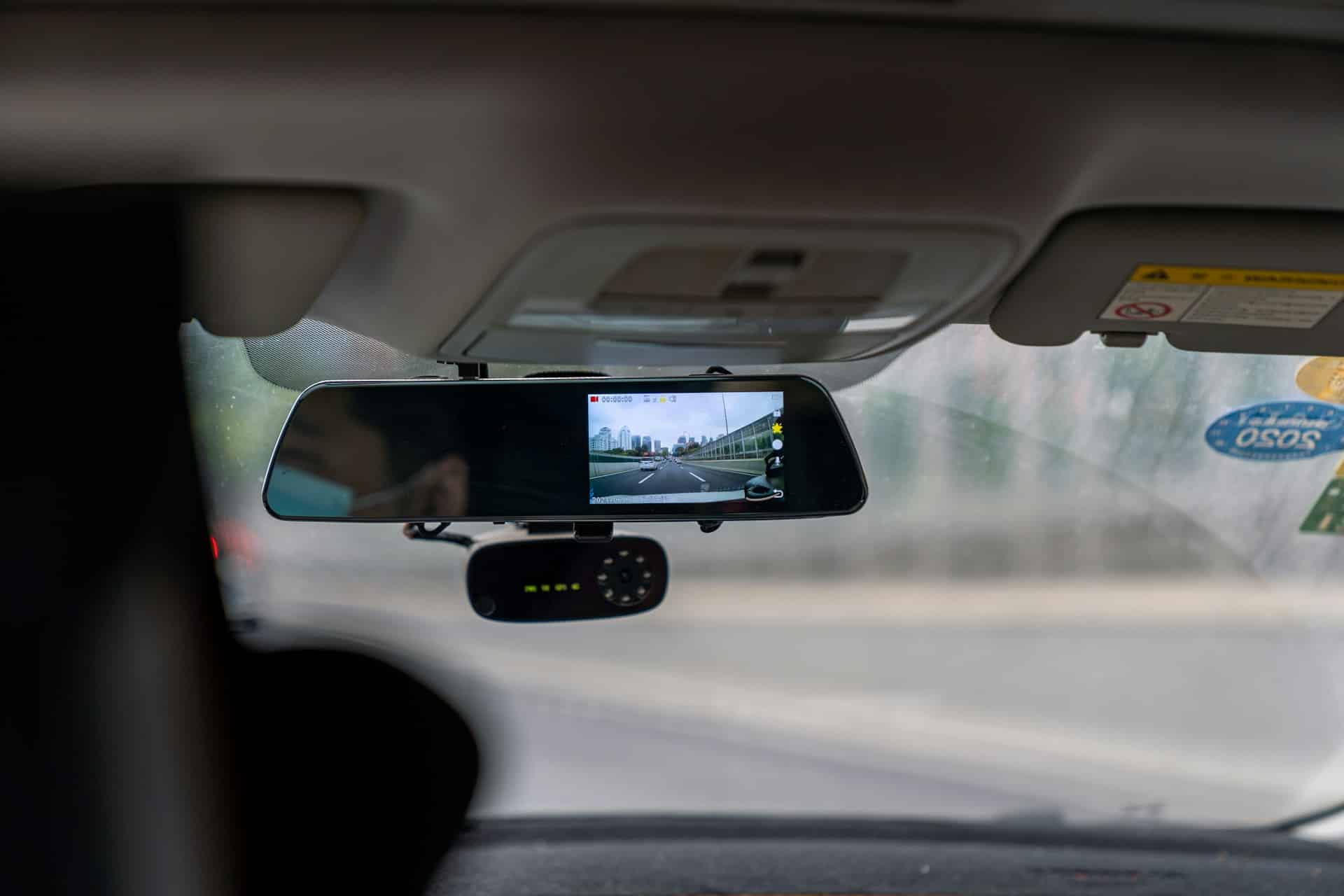
Your heart’s still hammering. Hands a little shaky. And suddenly there’s a stranger at your window insisting that what you clearly saw — isn’t what happened at all. In that moment, the crash isn’t just crumpled metal and broken glass. It’s fear, confusion, and the creeping realization that truth gets slippery when adrenaline is running high. A dash cam can change that dynamic completely — not in some theatrical courtroom moment, but quietly, with footage that simply shows what happened while everyone else is still rewriting it in their heads.
Why “He Said, She Said” Happens So Fast
Accidents scramble people. Even measured, sensible drivers can turn defensive or genuinely confused in the aftermath of a collision. You remember the light was green. They swear it was red. You saw them drift into your lane — they’re saying you were the one wandering.
Here’s the uncomfortable truth: stress warps memory.
Not always intentionally. Two people can live through the exact same moment and walk away with completely different versions of it, each one fully convinced they’re right. Add in partial witnesses — someone across the intersection who only caught the final second, or a driver behind you who heard the impact but missed everything that led to it — and the picture gets murkier still.
That’s what a dash cam addresses. It captures the before, during, and after — while everyone else is still blinking through shock.
The Missing Neutral Voice
A dash camera shows no preference. It doesn’t get rattled, doesn’t raise its voice, doesn’t panic. It records.
And when emotions run hot, that kind of neutrality is genuinely valuable.
Most disputes orbit a handful of questions: Who had the right of way? Was the light red or green? Did someone merge without looking? Was there brake-checking involved? A dash camera shows the answers — sometimes within minutes of the accident, sometimes weeks later when insurers start calling. Either way, you’re not left defending yourself against someone else’s version of events.
Picture this: two drivers nearly trading blows in a grocery store parking lot, both furious, neither budging an inch. Eventually, a calm stranger stepped between them — not to assign blame, just to redirect the conversation toward facts. “Is everyone okay? Can we exchange details?” That’s what solid footage does. It mediates, except with visuals instead of diplomacy.
What It Can Actually Do for Your Insurance Claim
Filing a claim sounds straightforward until the other driver disputes your account. Then it becomes something else.
Camera footage can help you in a few concrete ways. Timestamps and clear visuals support your version of events without you having to argue for it. Clean clips tend to speed up adjuster reviews — less “we’ll circle back,” more resolution. When fault is genuinely unclear, video can push a 50/50 split toward something more accurate. And when someone describes a slow parking-lot tap as a catastrophic collision? A dash camera shows exactly what a dash camera shows: reality.
That matters. Deductibles, liability determinations, repair costs, medical claims — the financial ripple effects of a disputed accident are real. You deserve every tool that keeps the story honest.
Setup Details That Actually Matter
A dash cam only works if it captures something useful. Obvious, sure — and yet plenty of people mount theirs angled at the sky or aimed squarely at their own hood.
Mount it high and centered, typically just behind the rearview mirror — wide field of view, out of your sightline. Resolution-wise, 1080p is the floor; 1440p or 4K handles license plates and traffic signals much better. Enable loop recording (so it doesn’t fill up and stop) alongside G-sensor impact detection, which locks clips automatically when a collision is detected so they don’t get overwritten. And check night performance before you need it — a lot of accidents happen after dark, and grainy, unreadable footage helps no one.
One case worth thinking about: a driver once claimed a delivery van sideswiped them and fled. The story sounded plausible. Except the timing was off, the street was narrow, and the details felt doubtful. Footage from a nearby vehicle eventually showed the car had scraped a concrete post while squeezing past parked trucks. Without that video, someone else might have taken the blame. With it, the truth surfaced — awkward, but accurate.
Beyond Two-Car Collisions
Most people picture a rear-end or T-bone when they think about disputed accidents. But a dash camera shows its value in messier situations too.
Hit-and-runs — even a partial plate number, a vehicle color, or a visible logo can give investigators something to work with. Road rage incidents, documented in real time. Pedestrian or cyclist claims, which tend to be emotionally charged and where clarity matters for everyone involved. And then the real nightmare: being blamed outright for something you didn’t do. Footage can be the only thing standing between you and a story that’s already being sold.
And when that story starts to inflate — when someone’s account takes on theatrical qualities, when a gentle two-mile-per-hour nudge in a parking lot somehow becomes a “violent collision” — video quietly deflates it without you having to argue. Big claims, dramatic gestures, impressive vocabulary. Then a short clip plays, and the whole performance collapses on itself.
That’s the understated power of keeping a camera rolling. Not drama. Just facts, steady and indifferent, exactly when you need them most.