

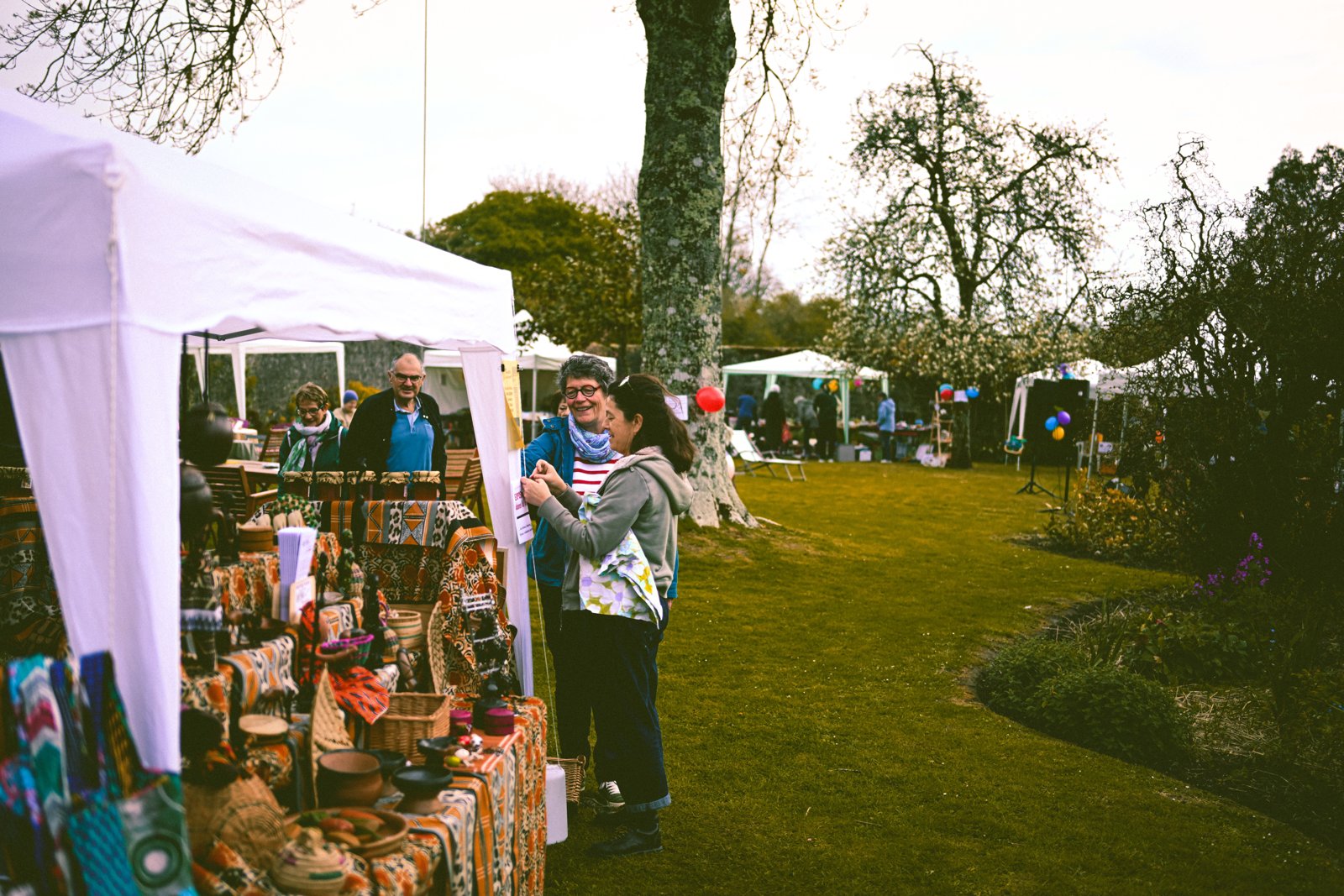
Every school summer fair has a few fixtures: a tombola nobody fully understands, a cake stall that’s sold out by half past two, and a queue of children at the slush machine that somehow never gets shorter. That last one may be more important than it looks.
With living costs still squeezing household budgets, community events have become one of the few places many families can enjoy a day out without worrying about the bill. Small, affordable treats are part of what makes those days feel special, and for the groups running them, they can raise a surprising amount of money.
Why Affordable Treats Matter
For many families, a trip to a theme park or even a café is no longer an easy spend. Free and low-cost local events, such as school fairs, community fun days, youth club discos and village fêtes, fill an important gap. They give children a shared experience regardless of what their parents earn.
The details matter. A day out quickly loses its shine for a child who has to watch friends buy something they can’t have. Keeping treats cheap, and ideally cheap enough for every child to have one, is a small but real way to make sure nobody stands on the sidelines.
Low Cost, Real Returns
Slush is one of the simplest ways to offer a low-priced treat that still raises money. Most of a slush drink is water and ice, with a small amount of syrup for flavour and colour. UK supplier Slush Direct puts the ingredient cost of a regular 10oz slush at around 21p, and says a single 5-litre bottle makes roughly 123 drinks.
That gives organisers plenty of room. A stall can price drinks low enough for families on tight budgets and still make a healthy surplus for the school, sports club or community project behind it. Groups that don’t own a machine can often borrow one from a local business, hire one for the day or buy second-hand, and pick from a wide range of slush syrups in familiar flavours such as blue raspberry, cherry and cola.
Designing Stalls Everyone Can Use
Some groups now go a step further and design their stalls with inclusion built in. A few ideas worth borrowing:
- Offer discreet free drinks. Some schools give tokens to families who may need them, so children can swap one for a drink without anyone knowing it wasn’t paid for.
- Try “pay what you can”. Setting a suggested price and letting people pay more or less often raises as much, if not more, than a fixed price.
- Show ingredient and allergen information. Parents of children with allergies or dietary needs shouldn’t have to guess. Keep the syrup’s data sheet on the stall.
- Think about the youngest visitors. The Food Standards Agency advises that slush drinks containing glycerol are not suitable for children under 7, and should be limited for those aged 7 to 10. At events with lots of small children, glycerol-free syrups mean the youngest visitors can join in too. Check the FSA’s current guidance, as it may change.
- Keep portions sensible. Smaller cups at a lower price let more children take part and keep sugar intake reasonable.
More Than a Drink
A slush stall also offers young people a real opportunity. Youth groups and schools increasingly let teenagers run stalls themselves: working out prices, managing stock, handling money and serving the public.
For young people who may not have access to part-time jobs or work experience through family connections, that kind of practical responsibility counts. It builds confidence and gives them something to put on a CV. It’s a modest example of enterprise education, delivered one brightly coloured cup at a time.
Getting the Basics Right
Community groups don’t need to be experts, but a few basics help any stall run smoothly:
- Follow the mixing instructions. Too much water makes the slush thin and bland. Too much syrup stops it freezing properly.
- Check the electrics. Make sure the machine has been safety tested, and plug it straight into a wall socket rather than an extension lead.
- Keep it clean. Wash hands, keep cups covered and clean the machine according to the manufacturer’s instructions.
- Check the rules. Food hygiene requirements can vary depending on how often an event runs, so a quick call to the local council’s environmental health team is worth making.
Small Things, Shared
Nobody expects a slush stall to fix inequality. But community life is built from small, shared experiences, and making sure every child can afford the same simple treat is one of them.
It might also mean the tombola finally has some competition.