

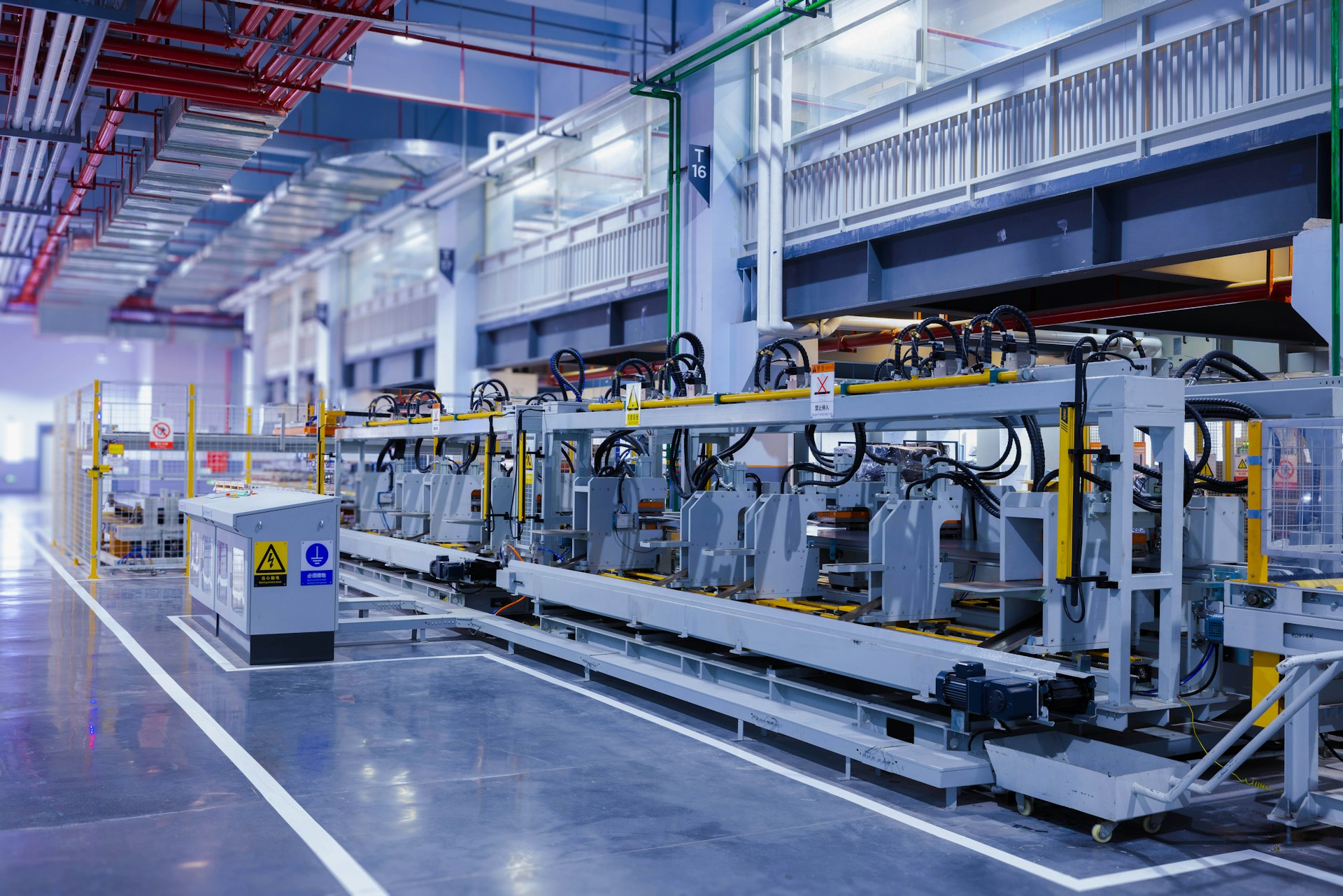
So imagine a complete power system, water system, or production line controlled remotely on a single intelligent platform? This is precisely what occurs when institutions use Supervisory Control and Data Acquisition (SCADA) systems in order to automate industries and utilities.
They are the basis of modern infrastructure management as the operators can gather information, analyze the performance, and make real time changes anywhere.
So how do SCADA systems work? It operates by incorporating more advanced electrical equipment, sensors, and communication systems, with the added visibility, efficiency, and control of the complex industrial processes. They are transforming the manner in which factories, power plants, and utilities operate in the data driven world.
Understanding SCADA
It is a unified system that is used to manage and monitor industrial operations. It interconnects field devices, including sensors, controllers, and actuators, to a central node where real time supervision and decision making can be done.
They collect the operating data, display it on Human Machine Interfaces (HMIs), and allow remote or automatic control measures. Such systems are able to monitor processes such as energy distribution and water treatment in manufacturing assembly lines.
An effective SCADA system offers 24/7 visibility of key infrastructure, and efficient and uninterrupted operation of distributed assets is guaranteed. SCADA architectures of today and tomorrow continue to add IoT, cloud connectivity, and analytics offerings to augment the decision making and predictive maintenance processes.
Key Components and Functional Capabilities
An average SCADA system has four main parts:
- Field Devices: Sensors, electrical devices, and controllers that assemble real time operation data.
- Remote Terminal Units (RTUs) or PLCs: These are devices that are used to pack and send back data to the central system.
- Communication Network: Safety and security of wired or wireless communications that allow the transfer of data.
- SCADA Software Platform: The control center, which visualizes the information, archives past data, and provides the operator with an opportunity to take action.
These elements, when combined, form a data loop, and as a result, operators are able to monitor, control, and optimize operations without interruption.
Advantages of SCADA Systems in Industrial and Utility Operations
SCADA systems have the following benefits in the work of industrial and utility systems:
- Real time Monitoring and Control
Through the SCADA systems, organizations can have 24/7 access to live data of remote equipment. Such real time visibility enables operators to spot inefficiencies, faults, and take corrective action in real time. To illustrate this, in utility grids, the SCADA platforms monitor the voltage levels and power flows, which reduces the chances of overloads and outages.
- Automation and Faster Response
The SCADA control logic is automated to eliminate human reliance on monotonous or time intensive processes. In case of a pump failure or circuit overload, the system will automatically trigger safety precautions, so that there is continuity in operation and the downtime is reduced as much as possible.
- Predictive Maintenance and Asset Longevity
SCADA systems record past and current information that may be used to generate indications of alert of equipment attrition before the emergence. Through predictive maintenance measures, the industries can restore the components before they break down to extend the life of the expensive assets and save on the cost of maintenance.
- Resource Optimization and Cost Efficiency
The information that is offered by SCADA systems enables companies to be efficient in utilizing resources (not only electricity and fuel but also raw materials and water). This leads to a lot of cost savings, energy efficiency, and more sustainable operations.
- Scalability and System Integration
SCADA platforms are created to expand along with an organization. These systems can add new devices, protocols, and software modules with little significant impact on a factory floor, whether it is the expansion or addition of new substations.
Challenges and Key Considerations
The deployment of SCADA should take into consideration cybersecurity, data management, and interoperability. Distributed architectures open communication networks to possible vulnerabilities, and it is important to implement encryption, authentication, and frequent system audits.
Also, outdated equipment frequently needs to be replaced or modified in order to be compatible with the new SCADA systems. The incorporation of a proper SCADA implementation is the middle ground between contemporary automation technologies and the physical hardware, stable power supply, and sound data governance solutions.
Drive Intelligent Operations with SCADA Systems
The SCADA systems constitute the infrastructure of the industrial and utility operations of the modern age, which rely on data. In case you are seeking modernization of infrastructure, better uptime, and real time visibility, then invest in the highly developed SCADA to have precision in control, monitoring, and alarm.
Select quality electrical vendors to design, integrate, and ensure reliable, scalable, secure architectures to comply with, achieve cybersecurity, and performance needs.
Their knowledge will help them do this faster, minimize risk, and upgrade their assets in a more modular way with analytics and remote assistance, making plants and facilities run more efficiently and transparently.