

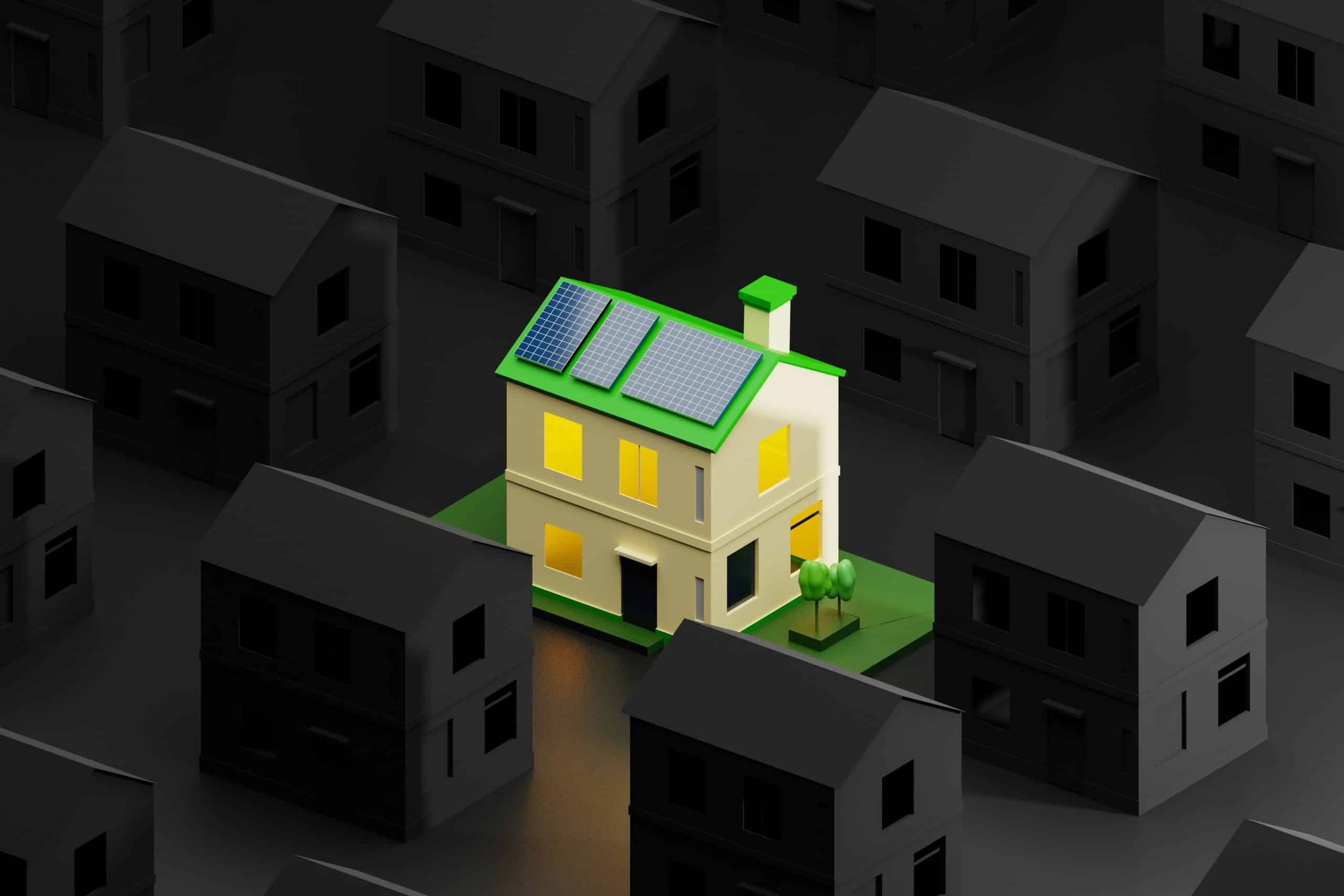
With the cost of living rising and energy bills remaining a concern, homeowners are increasingly looking for ways to trim their budgets. One solution gaining traction is the “green mortgage,” a product designed for those purchasing eco-friendly properties or upgrading existing ones. But are they truly the most cost-effective option?
While the loans themselves operate like traditional mortgages, the lenders offering them often prioritize environmental responsibility. These products are specifically targeted at:
● Buyers purchasing homes with an Energy Performance Certificate (EPC) rating of A or B (or a score above 80).
● Homeowners borrowing funds to renovate a property to meet these high energy standards.
The primary appeal lies in the incentives. Borrowers may qualify for reduced interest rates, higher loan-to-value ratios, or cashback upon completion. While these perks can lower costs, they are not a guaranteed silver bullet for savings.
There is no doubt that living in an energy-efficient home reduces utility bills. However, this saving occurs regardless of how the purchase is financed. The question remains: is the mortgage itself cheaper?
Lee Trett, director and co-founder of Money Helpdesk, warns against assuming that “green” automatically means “cheaper.” He notes: “The number of lenders offering green mortgages is still relatively small. Although the green options in these lenders’ product ranges will have some of their lowest rates, there could be cheaper options available with other lenders who don’t offer green mortgages.”
Currently, green mortgages remain a niche product. Because strict EPC criteria usually limit eligibility to new-build properties, the pool of qualifying homes is small. Furthermore, changing your property preference solely to qualify for a green loan is rarely advisable, as the difference in interest rates compared to standard loans is often negligible.
While some lenders offer standout deals – such as Nationwide’s 0% interest loans for specific green upgrades like solar panels -these are exceptions rather than the rule.
For the vast majority of buyers, a green mortgage is just one of many options. The smartest financial move is to consult an independent mortgage broker to compare these niche products against the wider market to ensure you are getting the best overall value.